The structural questions advice businesses are facing in 2026
In February 2026, advisers, practice owners and senior staff came together in Bataan, Philippines for Levera Connects.
The setting was great, but what really mattered was the substance. Over four days, the sessions kept circling back to a handful of themes that feel increasingly relevant for advice firms right now.
This is not a recap of who said what. It is a reflection on the ideas that stood out and why they matter.
Growth is not the issue. Capacity is.
Most established advice firms are not struggling to find clients. If anything, demand continues to increase.
The challenge is capacity.
Regulatory expectations have not eased. Client complexity is rising. The intergenerational wealth transfer is accelerating. At the same time, adviser numbers are not expanding quickly enough to absorb that demand.
Tony Nash’s session on scaling made a simple point. Growth does not fix structural weaknesses. It exposes them.
If systems are unclear, delegation is inconsistent or leadership frameworks are loose, adding more revenue often just increases pressure.
For many firms, the more useful question is not how to grow, but how to grow without increasing stress, risk and inconsistency.

Offshore support is an operating model decision
There has been a noticeable shift in how offshore capability is discussed.
It is no longer just about cost efficiency. It is about design.
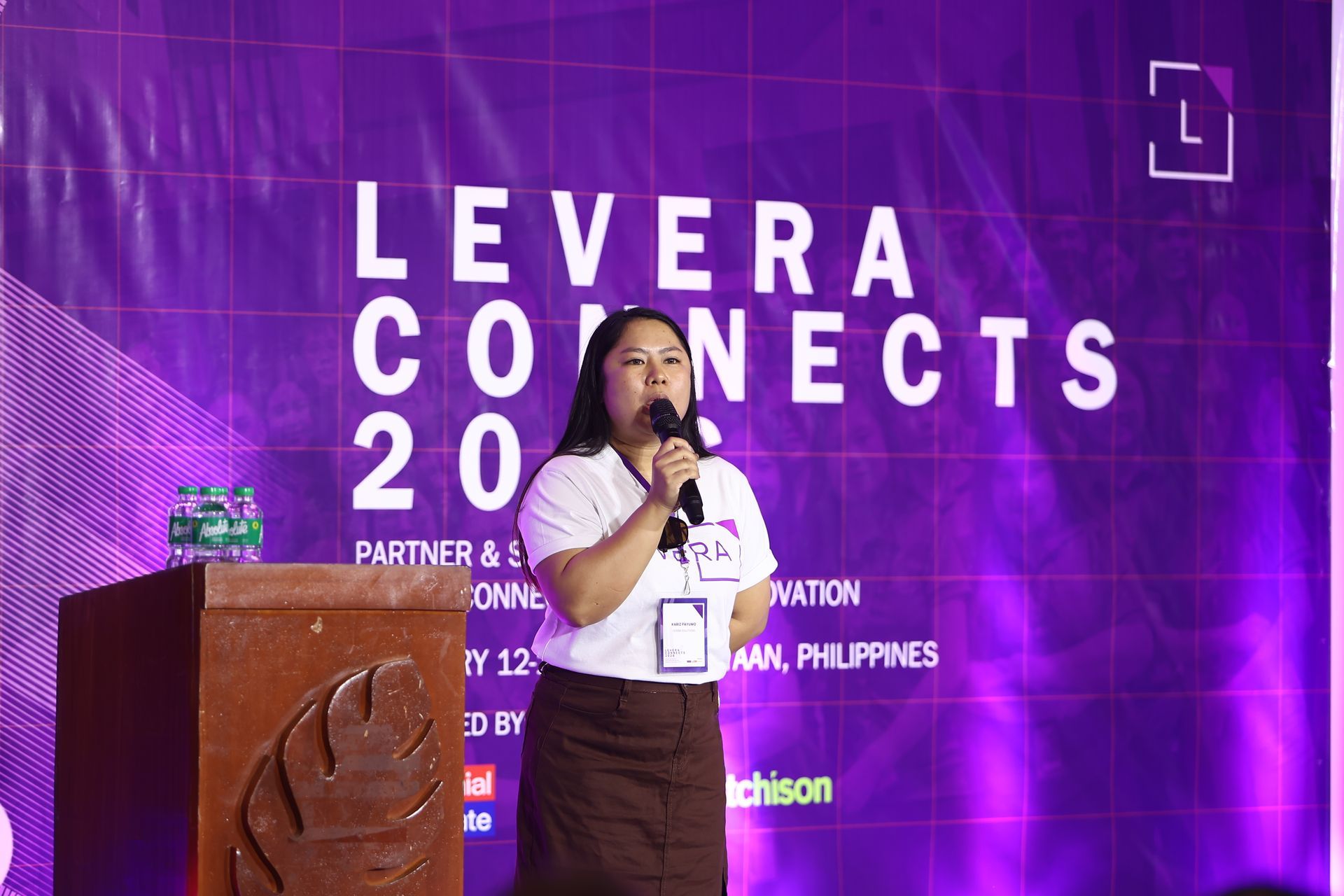
Sessions led by Kariz Payumo, Steph Mendoza and Martin Stone focused on integration. When offshore teams are properly embedded into workflows, compliance processes and service standards, they become part of the firm’s operating structure.
When they are not, they remain task-based and disconnected from the client outcome.
The difference comes down to clarity. Clear roles. Clear accountability. Clear communication.
For practice owners, this is not a staffing question. It is an operating model decision.



Automation only works if processes are defined
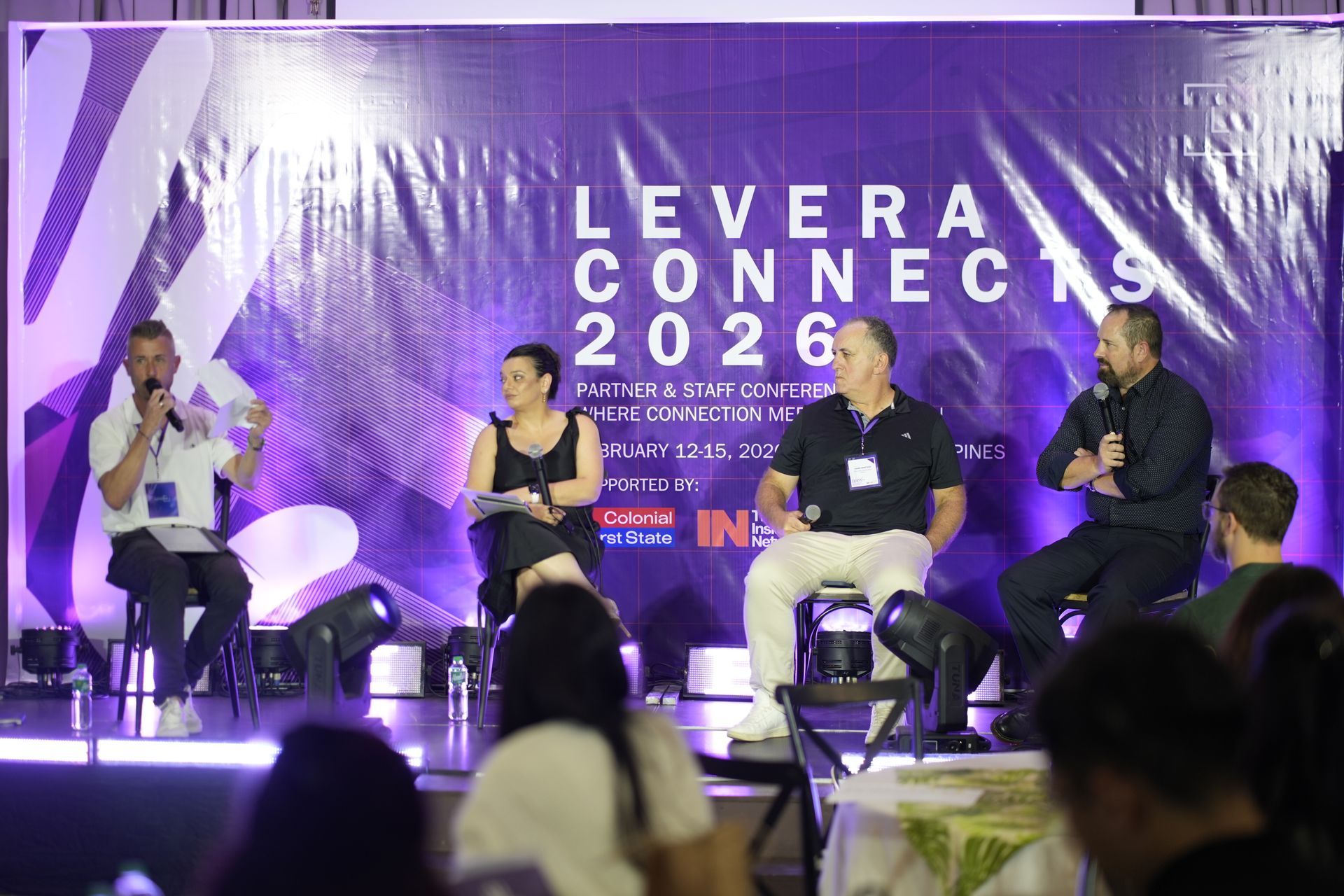
AI and automation featured heavily across the event, particularly in sessions with Kohl Gianoli and Christopher Mather.
The tone was practical rather than promotional.
Technology on its own does not create efficiency. It amplifies whatever process already exists.
If workflows are unclear, automation adds complexity. If workflows are structured and repeatable, automation reduces friction.
The examples shared across the sessions showed firms reducing administrative time and review burden. But the real lesson was not about specific tools. It was about discipline.
You cannot automate chaos.
Advice models are under pressure
Baz Gardner and Cameron Spittle both encouraged firms to look closely at their advice model.
Fee sensitivity remains real. The workload behind compliant, high-quality advice continues to expand. Clients expect more transparency and responsiveness.
That tension forces firms to think carefully about structure.
Are service tiers clearly defined?
Is pricing aligned with complexity and effort?
Is adviser time being spent where it creates the most value?
Are clients segmented deliberately?
These are not dramatic reinventions. They are ongoing structural reviews.
Firms that regularly examine their model tend to adapt more smoothly than those relying on structures built years ago.
Scaling magnifies inconsistency
Nick Hatzis’ session on portfolio construction and SMAs highlighted something many growing firms experience.
As client numbers increase, small inconsistencies become meaningful.
Manual processes that worked for a smaller client base strain as the business expands. Portfolio variations multiply.
Implementation differences creep in.
Scaling does not just require growth. It requires consistency.
Clear frameworks. Defined implementation standards. Governance that does not rely on memory.
Structure becomes more important as complexity increases.
Culture shows up in process
The structured workshops and time spent between onshore and offshore teams reinforced a practical point.
Alignment is not about slogans. It is about how work is done.
When expectations are clear and communication is consistent, collaboration improves. When collaboration improves, client experience improves.
In advice, culture is visible in process quality.
A broader takeaway
Across the four days, one theme kept resurfacing.
Advice businesses are not short of opportunity. They are short of leverage.
Talent pipelines are tight. Regulation remains demanding. Technology is evolving quickly. Clients expect more.
In that environment, operational maturity becomes a genuine advantage.
Not in a dramatic way. In a steady one.
Firms that are deliberate about how work flows, how decisions are made and how technology supports advice delivery are better positioned to serve more clients without compromising quality.
Levera Connects was designed as a space to explore those structural questions.
They are questions that will likely define the next decade of advice.

Thank you!
To our presenters who generously shared their insights and experience, thank you for helping raise the standard of what advice businesses can achieve.
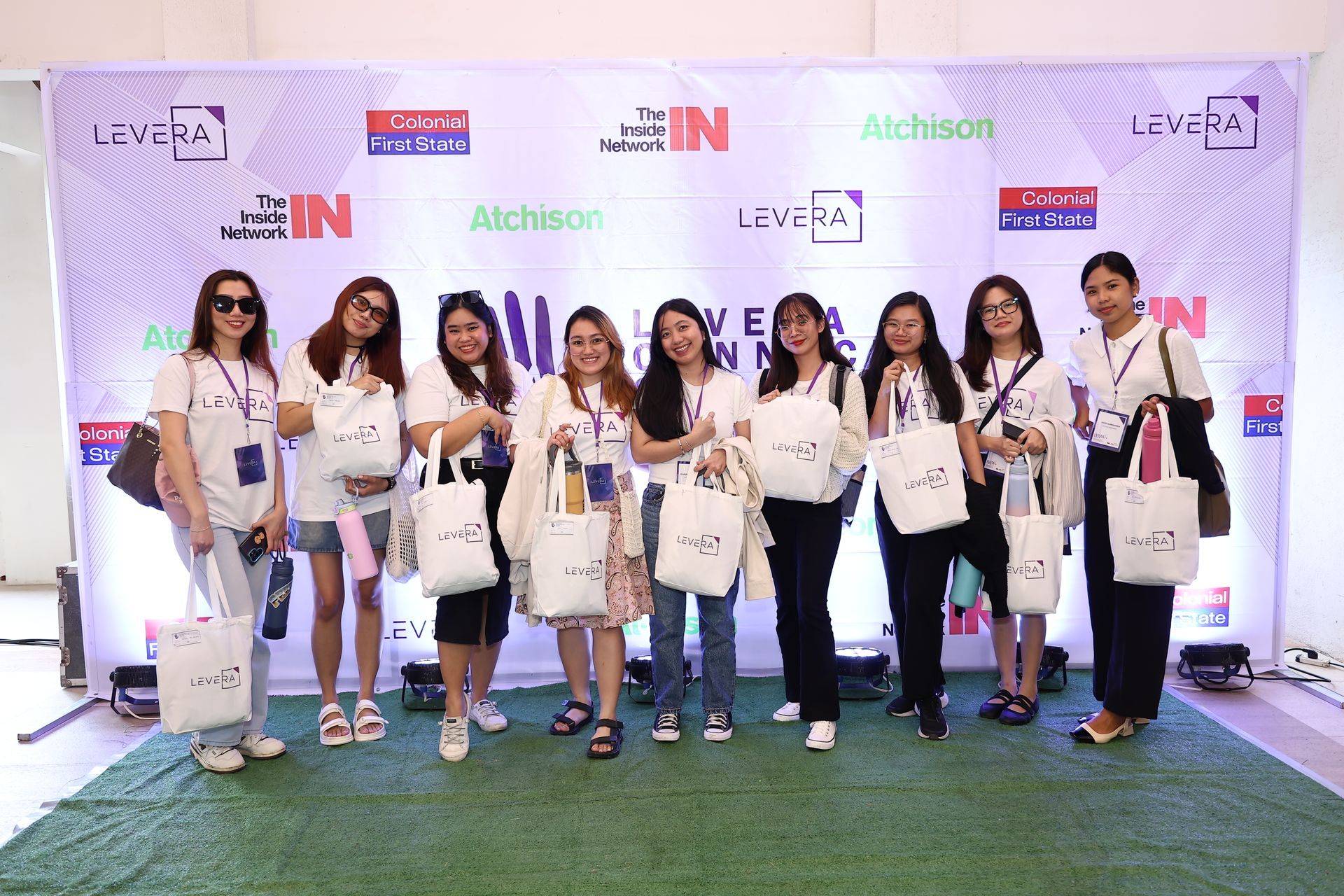
To our Levera team in the Philippines, thank you for your professionalism, warmth and commitment. This conference was as much about celebrating your contribution as it was about strategic growth.
Levera Connects 2026 was built on collaboration, trust and shared ambition. We are proud of what was achieved and excited about what comes next.
We look forward to continuing the conversations, building stronger partnerships and delivering even greater impact in the year ahead.
To every adviser, partner, speaker and team member who attended, thank you.
Event Photos
Levera Connects 2026 was filled with moments worth remembering. From insightful sessions and panel discussions to team-building activities and the Levera Fiesta dinner, the energy across the four days was something special.
We have compiled a full gallery of event photos for you to revisit and share with your team.
If you attended, we hope these images bring back great memories. If you could not make it this year, this is a glimpse into the experience and community that make Levera Connects unique.
We encourage you to download and share your favourite moments.
Sponsored by: